
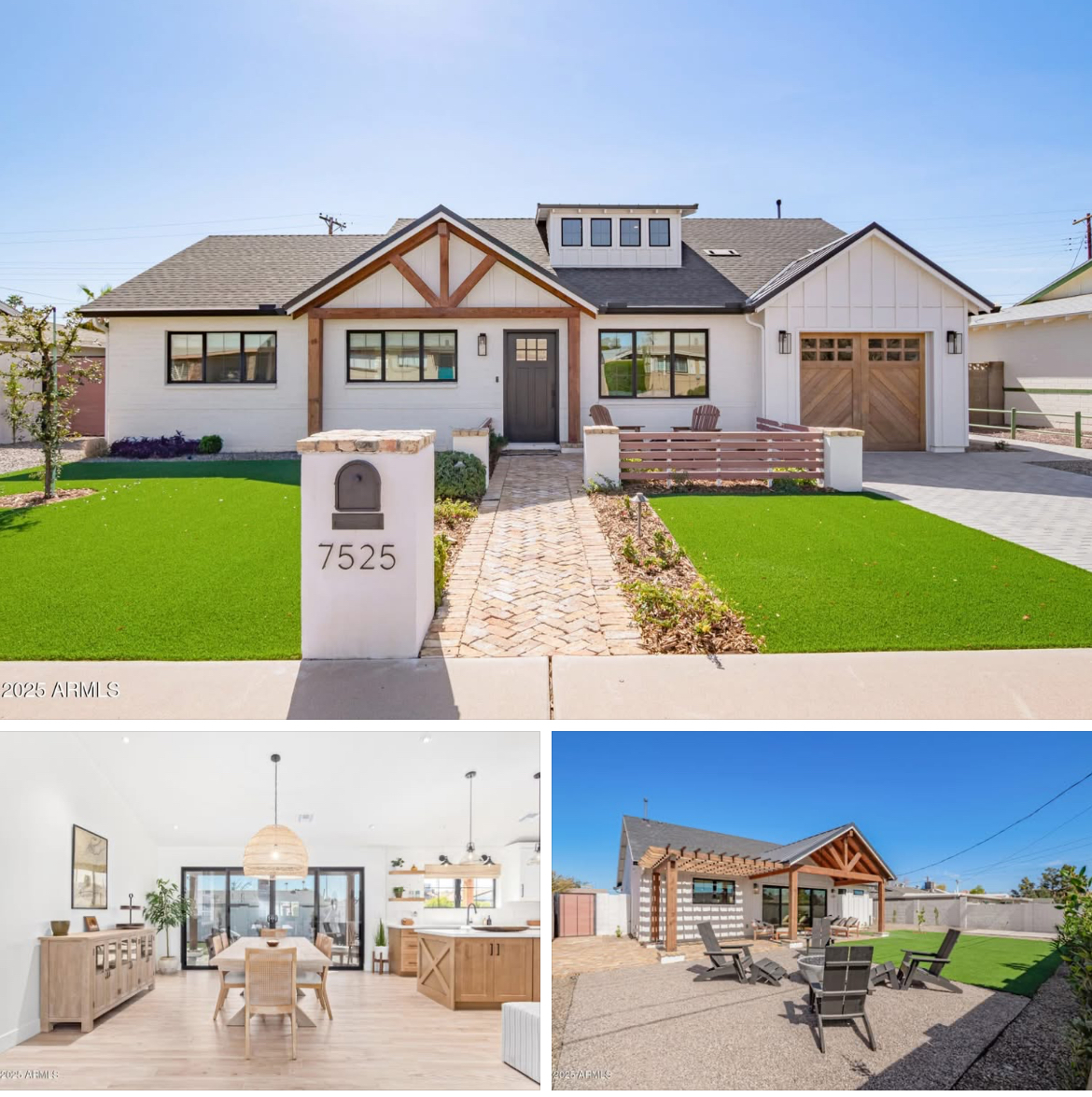
In an era where traditional White Horse Homes, Scottsdale AZ estate is increasingly dominated by urbanization and speculative bubbles, a countercultural movement is gaining momentum: off-grid tiny homes. This niche segment challenges conventional housing paradigms by prioritizing self-sufficiency, sustainability, and minimalist living over traditional real estate metrics. According to a 2023 report from the National Association of Home Builders, tiny home sales surged by 42% year-over-year, with off-grid models accounting for 28% of that growth. This article explores why off-grid tiny homes represent a paradigm shift in real estate, analyzing their economic, environmental, and social implications.
The Economic Case for Off-Grid Living
Off-grid tiny homes disrupt the conventional real estate model by eliminating reliance on municipal utilities. A 2023 study by the U.S. Department of Energy found that off-grid systems can reduce housing costs by 30-50% compared to grid-dependent homes. This cost savings stems from several factors:
- Lower Construction Costs: Tiny homes average 250-400 square feet, requiring 70-80% fewer materials than standard homes.
- Energy Independence: Solar panels and wind turbines eliminate utility bills, saving homeowners thousands annually.
- Land Value Arbitrage: Off-grid homes can be built on small lots or even vacant land, bypassing expensive zoning regulations.
However, this economic advantage comes with challenges. A 2023 survey by the Tiny House Builders Association revealed that 65% of off-grid tiny home buyers faced financing hurdles due to their unconventional nature. Lenders often view these properties as high-risk investments, requiring creative financing solutions like crowdfunding or government grants.
Environmental Impact and Regulatory Challenges
Off-grid tiny homes offer a sustainable alternative to traditional housing, but they also face regulatory hurdles. According to the U.S. Environmental Protection Agency, tiny homes produce 30% less carbon emissions than conventional homes due to smaller footprints and renewable energy use. However, local zoning laws often treat them as “non-conforming” structures, leading to legal battles over building permits.
Key regulatory challenges include:
- Zoning Restrictions: Many cities classify tiny homes as RVs, requiring special permits for permanent installation.
- Water and Sewage Requirements: Off-grid systems must comply with local health codes, which can be costly to implement.
- Fire Safety Regulations: Tiny homes are often made of combustible materials, necessitating expensive retrofitting.
Despite these obstacles, a 2023 report from the Tiny Home Builders Association found that 72% of off-grid tiny home communities were built without traditional permits, highlighting a growing resistance to outdated regulations.
Social Dynamics and Community Building
Off-grid tiny homes thrive in intentional communities where residents share resources and values. A 2023 study by the University of California found that tiny home communities increase social cohesion by 45% compared to suburban neighborhoods. This phenomenon stems from several factors:
- Shared Infrastructure: Common areas for gardening, workshops, and social events foster a sense of belonging.
- Minimalist Lifestyle: The emphasis on simplicity reduces materialism and encourages mutual support.
- Eco-Conscious Living: Residents often collaborate on renewable energy projects and waste reduction initiatives.
However, these communities also face challenges. A 2023 survey by the Tiny House Builders Association revealed that 58% of tiny home residents reported feeling isolated due to their unconventional living arrangements. This highlights the need for intentional community design to balance autonomy with social connection.
Future Trends and Market Disruption
The off-grid tiny home movement is poised to reshape real estate dynamics in the coming years. According to a 2023 forecast by the National Association of Realtors, tiny home sales could account for 15% of total residential sales by 2027. Key trends include:
- Modular Construction: Prefabricated tiny homes will reduce build times and lower costs.
- Urban Integration: Tiny homes will increasingly be approved in urban areas as cities seek affordable housing solutions.
- Hybrid Models: Off-grid tiny homes will merge with smart home technology for enhanced efficiency.
This shift represents a fundamental challenge to the traditional real estate paradigm, forcing developers to adapt or risk obsolescence. As off-grid living gains traction, conventional real estate will need to redefine its value proposition beyond square footage and location.